
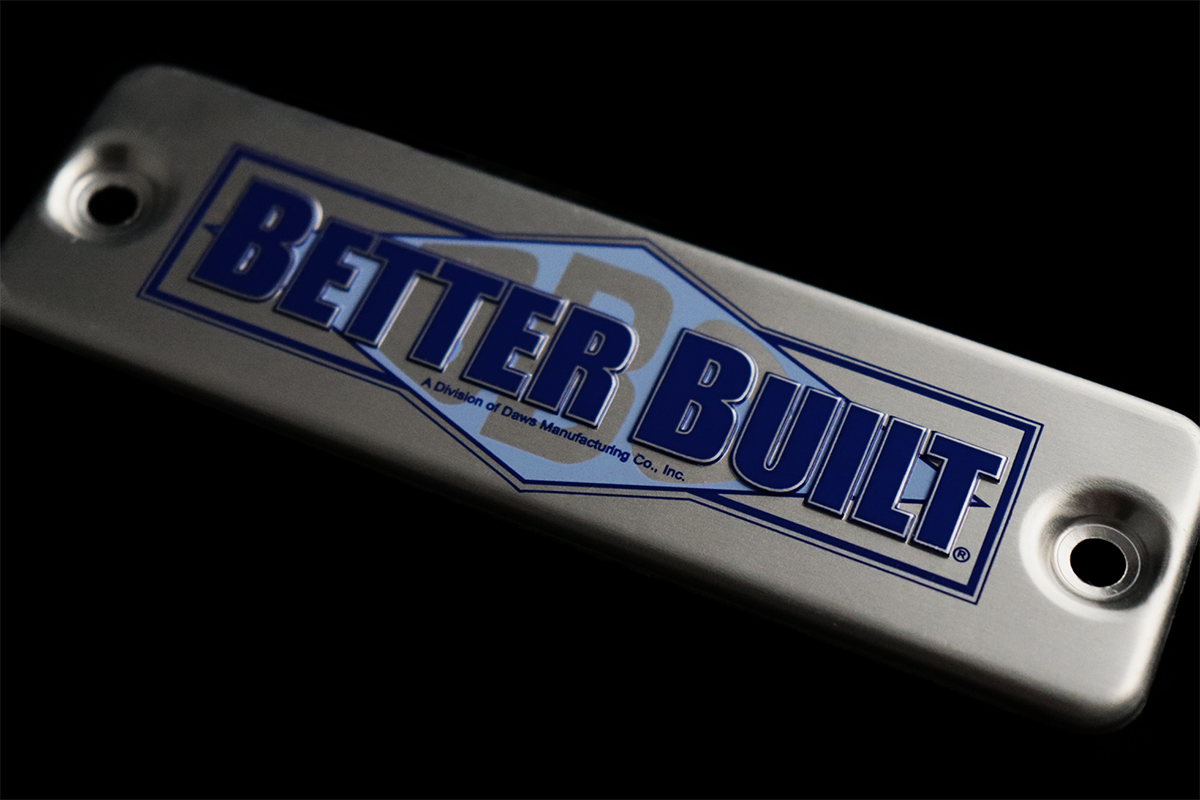
On paper, product identification often looks straightforward. But once equipment is in the field, exposed to weather, wear, chemicals, heat, and repeated handling, real-world conditions quickly reveal whether identification was designed with the end-use in mind.
The most effective product identification solutions go beyond the drawing board and account for how equipment is actually used across different industries. It ensures critical information remains legible, durable, and usable throughout a product's lifecycle, supporting safety, compliance, and maintenance.
Designing product identification for real-world use helps manufacturers reduce failures, prevent confusion, and ensure information is available when and where it's needed.
Understand the Environment Where the Product Lives
Where and how equipment operates has a major impact on product identification performance over time. Outdoor exposure, routine cleanings, UV light, temperature extremes, and chemicals can all degrade materials over time.
-
-
Agricultural and construction equipment often faces dirt, sunlight, and constant moisture.
- Food service and processing environments require identification that can withstand frequent washdowns and harsh cleaning agents.
-
Designing product identification with environments like these in mind, ensure nameplates, data plates, decals, and emblems remain intact and legible throughout the product's service life.
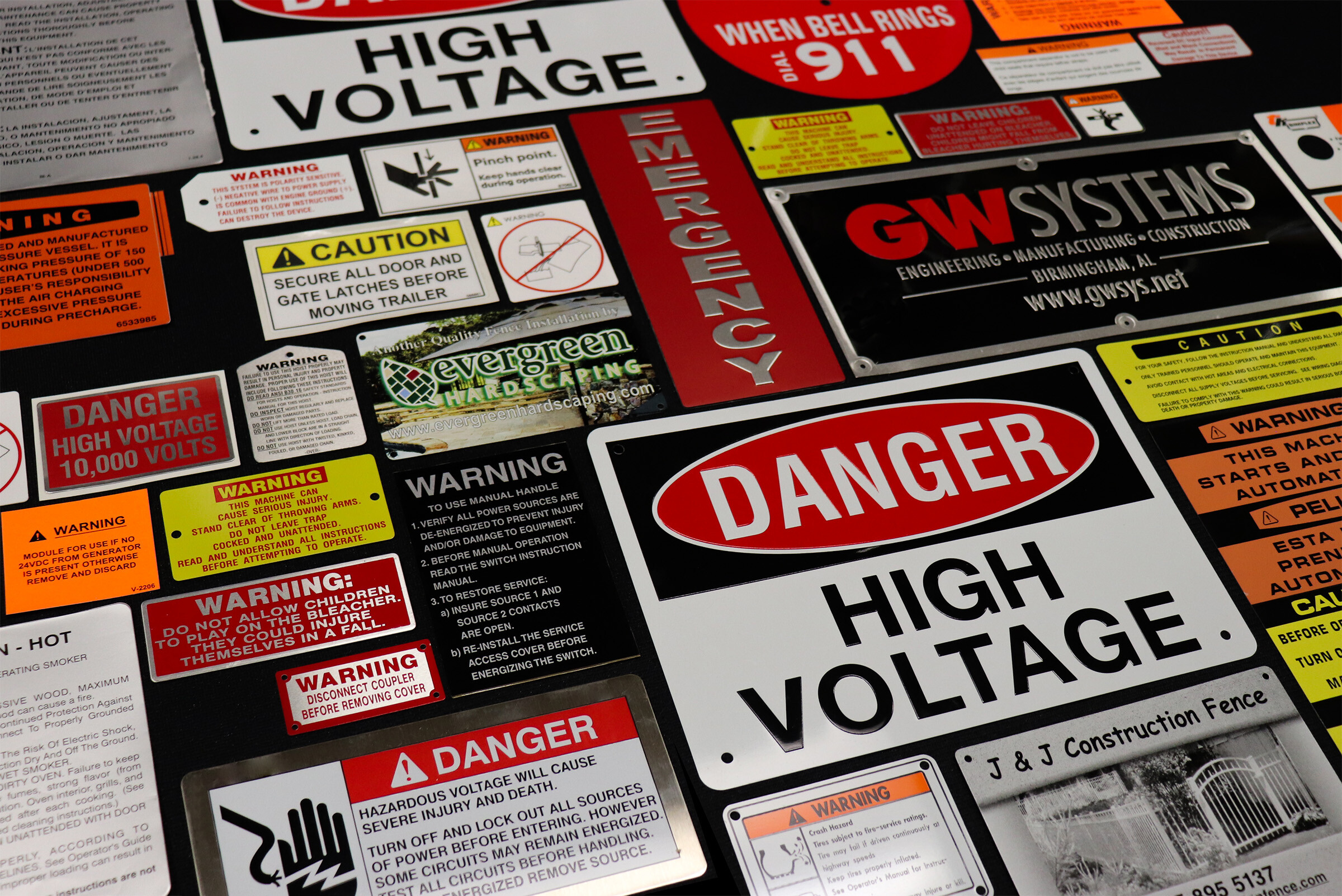
Outdoor Signage and ID Plates Require Specialized Materials
If your nameplates or data plates will be used outdoors, material selection becomes critical. Exposure to UV light, rain, and temperature fluctuations cause issues like fading and corrosion.
Download our ebook, Premium Outdoor Metal Nameplates
Design Choices that Impact Usability in the Field
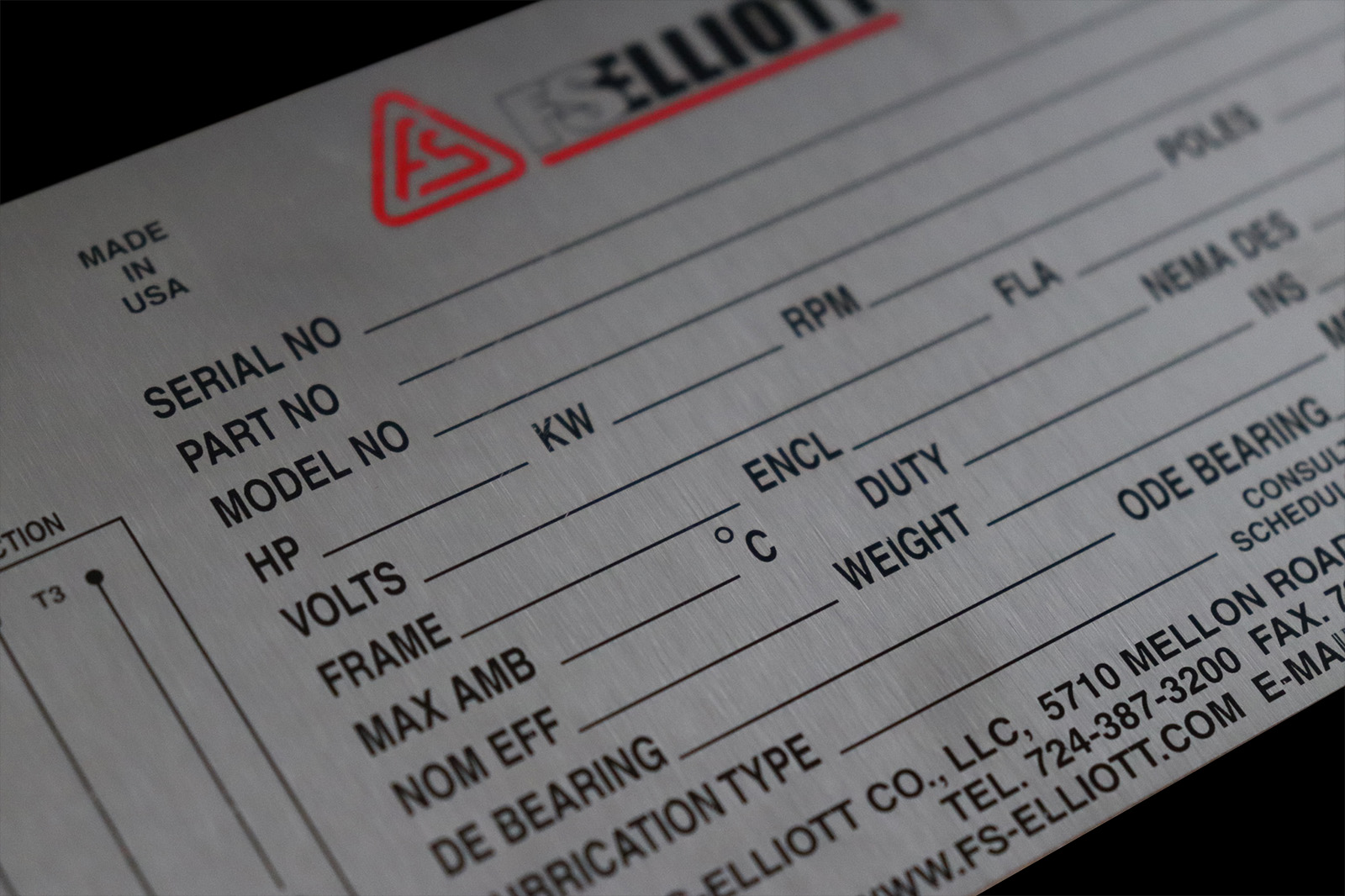
Product identification must be easy to read and understand, not just visually appealing. Information layout, font size, contrast, and placement all directly affect usability once the part is installed on the equipment or product.
In manufacturing, transportation, or industrial environments, operators need to quickly locate:
-
-
Serial Numbers
- Safety Warnings
- Operating Instructions
-
These tasks may occur in low-light conditions or fast-paced environments. Clear layouts and thoughtful placement ensure information can be found immediately, reducing errors and delays.
Download our jam-packed ebook, ID Plates: Design and Applications
Attachment Methods are Just as Important as Materials
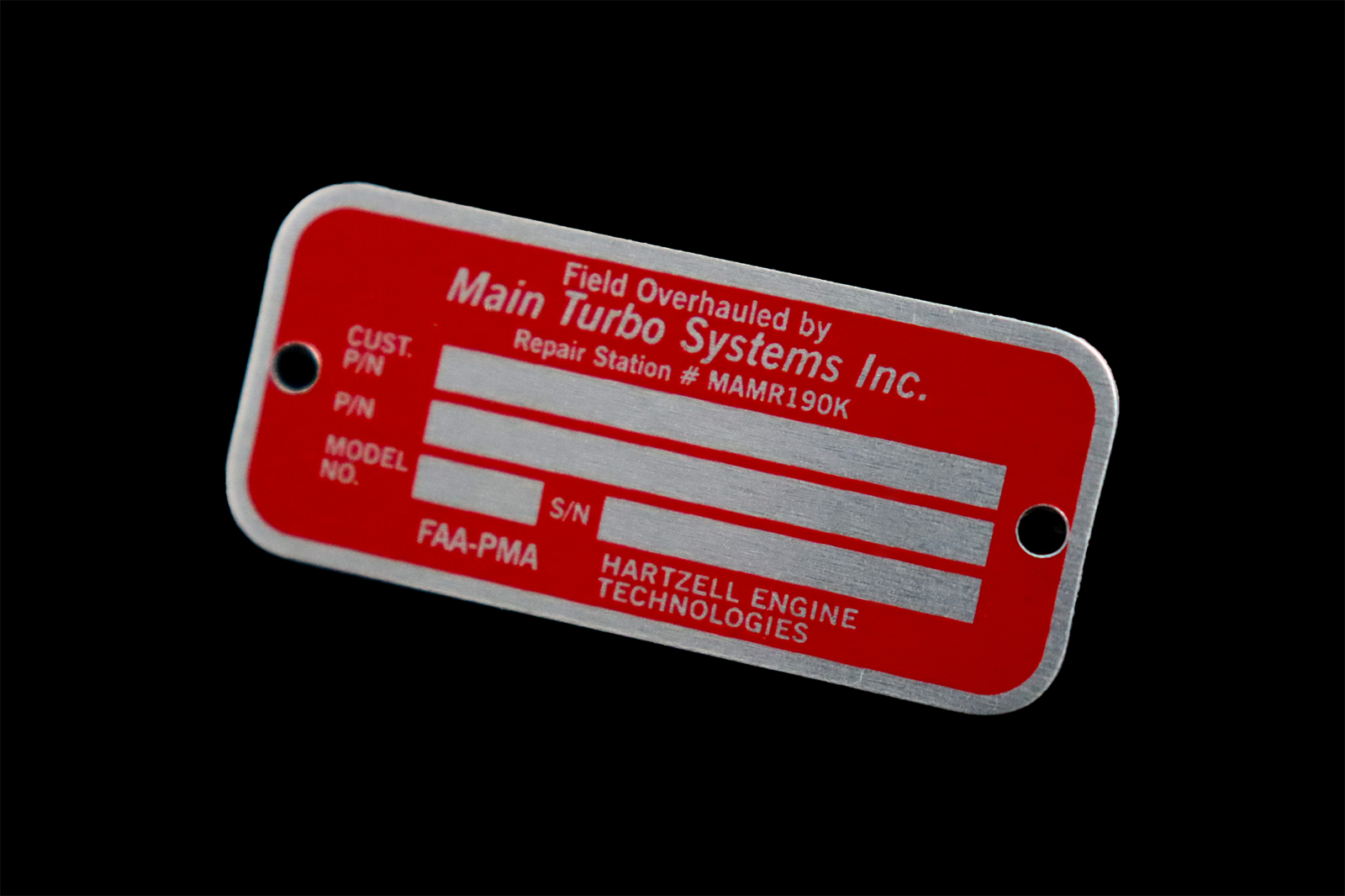
Even the most durable product identification can fail if it isn’t attached correctly. Mechanical fasteners, adhesives, and mounting surfaces must align with the application and operating environment.
For example, marine and energy equipment may experience vibration, moisture, and temperature swings that require more robust attachment methods. Planning attachment early helps prevent lifting, loosening, or premature failure.
Choosing the right attachment approach ensures product identification stays in place and functional for the life of the equipment.
For more information on attachment methods, you can download our free ebook here!

Plan for Wear, Cleaning, and Ongoing Maintenance
Product identification should be designed to withstand expected wear without becoming illegible or damaged. Maintenance routines, cleaning methods, and user interaction all affect long-term performance.
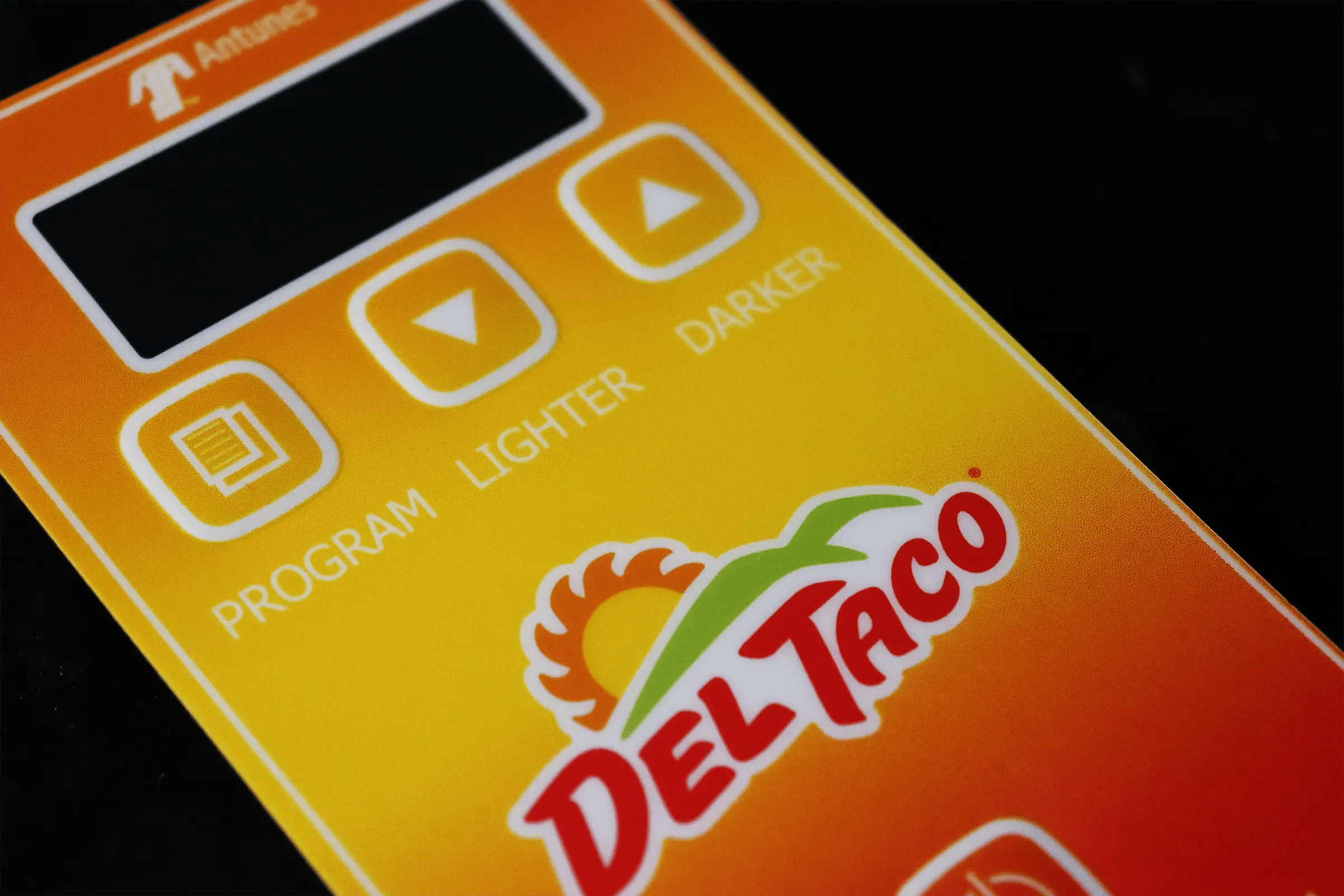
In appliance and food service environments, frequent cleaning is part of daily operation. Identification that isn’t designed for repeated exposure to cleaning agents can degrade quickly.
Anticipating these conditions during the design phase helps extend service life and maintain clarity over time.
Design Product Identification with the End User in Mind
Ultimately, product identification exists to support the people who use, service, and maintain equipment.
Whether it’s a field technician working on construction equipment or a service team maintaining manufacturing machinery, identification should be:
-
-
Easy to locate
-
Easy to read
-
Built to last
-
Designing with real-world use in mind ensures product identification continues to perform wherever equipment is deployed—and for everyone who relies on it.
FAQs about Product Identification for Real-World Use
Why is real-world product identification important?
Because equipment is exposed to harsh conditions, identification must remain legible and intact to support safety, compliance, and maintenance throughout its lifecycle.
How do I choose the right materials for product identification?
Material selection depends on the operating environment, including exposure to weather, chemicals, cleaning agents, heat, and abrasion.
Do attachment methods really affect durability?
Yes. Improper attachment can cause even high-quality identification to fail prematurely due to vibration, moisture, or temperature changes.
Can product identification be customized for specific environments?
Absolutely. Custom materials, finishes, and attachment methods can be designed to match specific industry and environmental needs.
Conclusion: Product Identification that Performs Beyond the Drawing Board
Designing product identification for real-world use goes far beyond aesthetics or compliance. It ensures critical information remains visible, reliable, and actionable throughout a product’s lifecycle.
By considering environment, usability, attachment, maintenance, and end-user needs early in the design process, we can create product identification that supports safety, efficiency, and long-term performance, wherever the equipment ends up.