
Product identification is often treated as a finishing touch, but in reality, it's a critical component in your product's performance, safety, and brand integrity. When identification fails, the consequences can show up across the entire operation:
| Lost Traceability |
Compliance Risks |
| Increased Maintenance Costs | Damaged Brand Perception |
The challenge? Most failures aren't caused by a single issue; they're the result of small oversights that compound overtime. This blog breaks down the most common reasons product identification fails, and how to design solutions that hold up in the real world.
What is Product Identification (and Why it Matters)
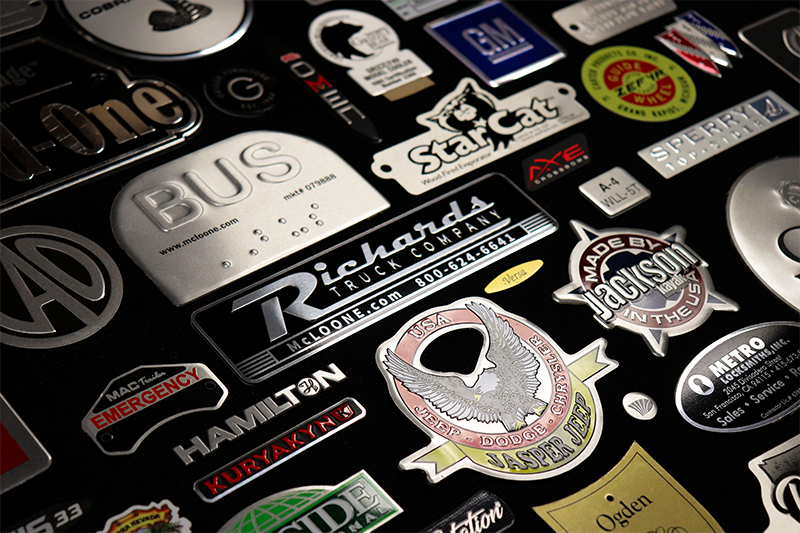
We know you're probably very familiar with exactly what product identification is, but just for clarity - product identification can include any label, nameplate, data plate, ID plate, emblem, or graphic that communicates essential information about a product, such as:
- Serial Numbers or Barcodes
- Safety Warnings and Instructions
- Branding and Logos
- Regulatory and Compliance Markings
When the product identification degrades and starts to disappear, so does the information it carries, making identification not only a branding element but a functional necessity.
The Most Common Reasons Product Identification Fails
1. The Environment Wasn't Fully Considered
One of the biggest causes of failure is designing specifically for the product and not the environment it will live in. Conditions including, but not limited to:
-
-
- UV Radiation
- Moisture and Humidity
- Abrasion from Handling or Transport
- Chemicals, Oils, and Cleaning Agents
- Extreme Heat or Cold
-
What can happen when this is overlooked?
| Fading & Discoloration | Cracking or Brittleness |
| Adhesive Breakdown | Complete Label Loss |
For more information on designing your product identification for the real world, click here to read our blog: Designing Product Identification for Real-World Use, Not Just the Drawing Board
2. The Wrong Material was Selected
Not all product identification materials are created equal. A solution that performs well in a controlled indoor setting may fail quickly in a harsh industrial environment.
Some common material mismatches include:
-
-
- Using a "standard" plastic substrate in a high-heat application
- Choosing a "cheap", low-grade ink for a nameplate or label that will be outdoors
- Relying on a temporary method, like tape or paint, as a long-term solution
-
The result? Premature failure and frequent replacements.
For an in-depth look at our substrate offerings, download our free resource: Nameplate, ID Plate, Label, and Decal Substrate Guide
3. Adhesion was an Afterthought
Even the most durable label can fail if it doesn't stay in place.
Adhesion issues often stem from:
-
-
- Incompatible Surface Energies (ex. powder coated or textured surfaces)
- Improper Surface Preparation
- Exposure to Moisture, Oils, or Temperature Fluctuations
-
Some of the obvious warning signs of a failing adhesive include lifting edges, bubbling, or (and most obvious) complete label detachment.
For a deep dive into adhesives and what we can offer, click here to download our free guide: Nameplates with Staying Power
4. Readability was Compromised
A label that can't be read is a failed label, regardless of how well it sticks.
Common readability issues:
-
-
- Low contrast between text and background
- Fonts that are too small or too complex
- Printing methods that wear off over time
-
Highest Risk Areas Include:
| Safety Warnings | Serial Numbers or Tracking Data | Instructional Graphics |
5. Branding was Inconsistent
Product identification is also a touchpoint for your brand.
Branding inconsistencies can include:
-
-
- Color Variation Across Orders
- Misaligned Layouts or Sizing
- Poor Reproduction of Logos
-
The impact? Poor brand recognition, a disjointed customer experience, and reduces perceived product quality.
How to Prevent Product Identification Failures
Preventing failure starts with a proactive, application-focused approach.
We have an entire blog dedicated to application-driven design. If you'd like to read more, click here!
Start with the End Environment
Before selecting materials or designs, it’s critical to identify the environment the product will live in. Consider where it will be used, what conditions it will be exposed to (such as moisture, UV light, chemicals, or temperature extremes) and how long the identification needs to last. Taking the time to fully understand these factors ensures your solution is built for the real-world conditions that your product or equipment will face.
Choose Materials Built for Durability
Material selection should always align with the demands of the application. For example, metal nameplates are ideal for extreme durability, while engineered plastics can provide lightweight flexibility in less demanding environments. Protective coatings can also add resistance to chemicals and UV exposure. The goal is to prioritize long-term performance over short-term convenience, ensuring the identification holds up over time.
Engineer the Adhesive System
A reliable bond requires more than simply choosing a “strong” adhesive. It’s important to evaluate the surface type: whether it’s smooth, textured, or coated, as well as the environmental conditions the product will face. The application method also plays a role in long-term adhesion. When all of these factors are properly considered, adhesion becomes a strength of the identification system rather than a point of failure.
Design for Clarity and Longevity
Readability should be a priority from the very beginning of the design process. High-contrast color combinations improve visibility, while clean, legible fonts ensure information can be easily understood. Proper sizing is also essential, especially when labels need to be read from a distance. Just as important, is selecting printing methods that won’t fade or wear away over time, preserving clarity throughout the product’s lifecycle.
Standardize for Brand Consistency
Consistency is key to building strong brand recognition. This means ensuring accurate color matching, maintaining repeatable production processes, and aligning every element with established brand guidelines. When done correctly, your product identification not only performs well but also reinforces your brand at every touchpoint.
Final Thoughts
Product identification failures aren’t random, they’re preventable. By focusing on environment, materials, adhesion, and readability, you can create solutions that perform as reliably as the products they’re attached to.
Frequently Asked Questions
How long should product identification last?
It depends on the application, but ideally, identification should last the full lifecycle of the product without requiring replacement.
Why do labels peel or fall off?
This is usually due to poor adhesive selection, improper surface preparation, or environmental factors like moisture and temperature changes.
Can product identification impact compliance?
Yes. Missing or illegible safety labels, serial numbers, or regulatory markings can lead to compliance issues and potential liability.
What’s the biggest mistake companies make with product identification?
Treating it as an afterthought instead of a functional component of the product.